Login
Contact


 Share :
Description
【Design of Motion Controllers】
The three most important components of a motion controller are the processor, control electronics, and power output stage.
The microprocessor calculates the dynamic control variables required for motor motion control based on predefined parameters and feedback data received from the drive system. The control electronics process the relevant signals, while the power output stage supplies the motor with the necessary electrical power.
Motion controllers require feedback information regarding motor movement. Depending on the controller version and the connected motor, this information may be provided by various sources, including analog values, Hall sensor signals, or encoder feedback.
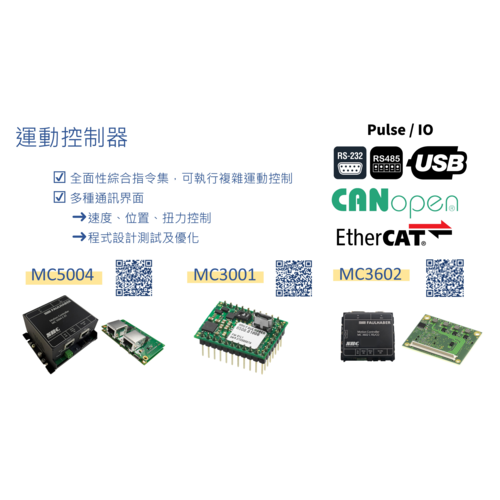
Motion controllers are available in both housed and board-level versions. Housed units feature screw terminal connections, while board-level versions are designed for direct integration onto the main PCB. To enable networked motion control applications, communication interfaces such as RS232, CANopen, and EtherCAT are available.
【Operation of Motion Control】
A motion controller is a highly dynamic positioning system designed to drive various combinations of motors and feedback devices.
The controller determines the required motor speed by regulating the supply voltage (analog value) or pulse-width modulation (PWM). Based on the feedback data, it continuously calculates the actual motion performed and adjusts the control parameters to ensure compliance with the specified operating requirements.
The direction of rotation is changed via a dedicated switching input, while speed information can be transmitted through a frequency output.
The pre-installed firmware enables the execution of complex motion sequences and fully automated operation of the connected motor. Available operating modes include:
• Positioning Mode
Moves the motor to a predefined target position.
• Motion Profile Mode
Supports predefined acceleration and deceleration ramps as well as configurable maximum speed settings.
• Stand-Alone Mode
Allows freely programmable motion sequences (RS versions).
• Speed Control Mode
Maintains a predefined target speed using a PI (Proportional-Integral) speed controller.
• Current Control Mode
Provides current regulation with an integrated thermal model for motor protection.
*Protection Functions
The integrated current control limits motor torque and protects both the electronics and the motor against overload conditions.
Additional protection features include:
Electrostatic Discharge (ESD) protection
Thermal overload protection with automatic shutdown functionality
Overvoltage protection during generator (regenerative) operation
These protection mechanisms help ensure reliable and safe operation of both the motor and controller under demanding application conditions.
The three most important components of a motion controller are the processor, control electronics, and power output stage.
The microprocessor calculates the dynamic control variables required for motor motion control based on predefined parameters and feedback data received from the drive system. The control electronics process the relevant signals, while the power output stage supplies the motor with the necessary electrical power.
Motion controllers require feedback information regarding motor movement. Depending on the controller version and the connected motor, this information may be provided by various sources, including analog values, Hall sensor signals, or encoder feedback.
Motion controllers are available in both housed and board-level versions. Housed units feature screw terminal connections, while board-level versions are designed for direct integration onto the main PCB. To enable networked motion control applications, communication interfaces such as RS232, CANopen, and EtherCAT are available.
【Operation of Motion Control】
A motion controller is a highly dynamic positioning system designed to drive various combinations of motors and feedback devices.
The controller determines the required motor speed by regulating the supply voltage (analog value) or pulse-width modulation (PWM). Based on the feedback data, it continuously calculates the actual motion performed and adjusts the control parameters to ensure compliance with the specified operating requirements.
The direction of rotation is changed via a dedicated switching input, while speed information can be transmitted through a frequency output.
The pre-installed firmware enables the execution of complex motion sequences and fully automated operation of the connected motor. Available operating modes include:
• Positioning Mode
Moves the motor to a predefined target position.
• Motion Profile Mode
Supports predefined acceleration and deceleration ramps as well as configurable maximum speed settings.
• Stand-Alone Mode
Allows freely programmable motion sequences (RS versions).
• Speed Control Mode
Maintains a predefined target speed using a PI (Proportional-Integral) speed controller.
• Current Control Mode
Provides current regulation with an integrated thermal model for motor protection.
*Protection Functions
The integrated current control limits motor torque and protects both the electronics and the motor against overload conditions.
Additional protection features include:
Electrostatic Discharge (ESD) protection
Thermal overload protection with automatic shutdown functionality
Overvoltage protection during generator (regenerative) operation
These protection mechanisms help ensure reliable and safe operation of both the motor and controller under demanding application conditions.
Related Products
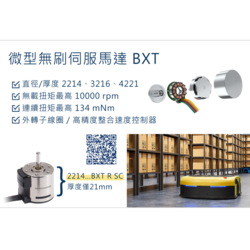
FAULHABER_Brushless DC Motor BXT series
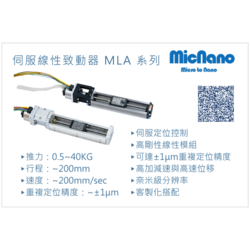
Micnano_MLA Servo Motor Linear Actuators Series
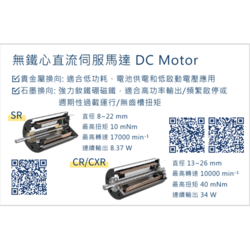
FAULHABER_DC-Motor
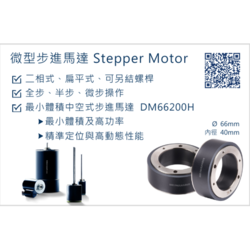
FAULHABER_Stepper Motor
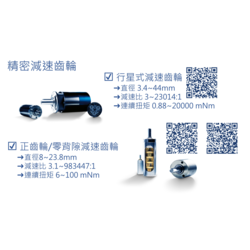
FAULHABER_Precision Gearhead
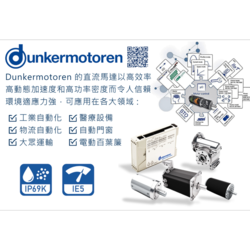
Dunkermotoren Brushed/Brushless DC-Motors, Gearbox, Encoders, Brakes, Controllers
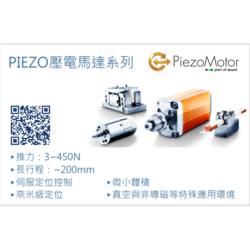
PiezoMotor-Acuvi_Linear piezo motors, Rotary piezo motors, Controllers
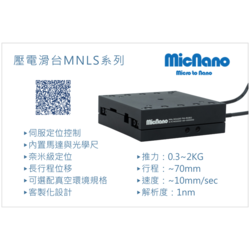
Micnano_MNLS Series | Piezo Stage
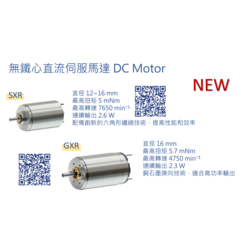
DC Motor
You may also like
Highest Rated Products
Back
 Product Inquiry